Formula SAE
Footrest
AFR 2024-2025
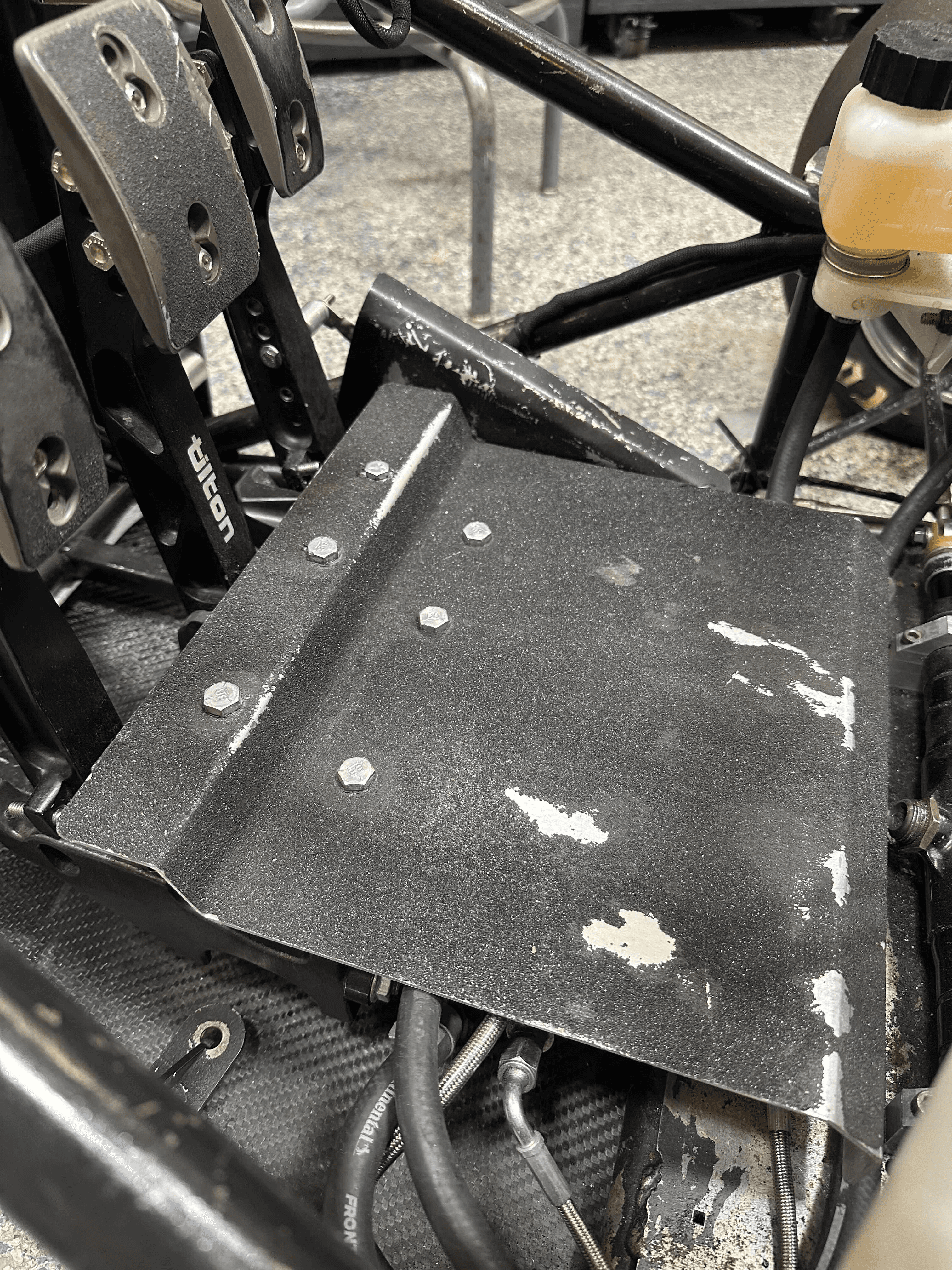
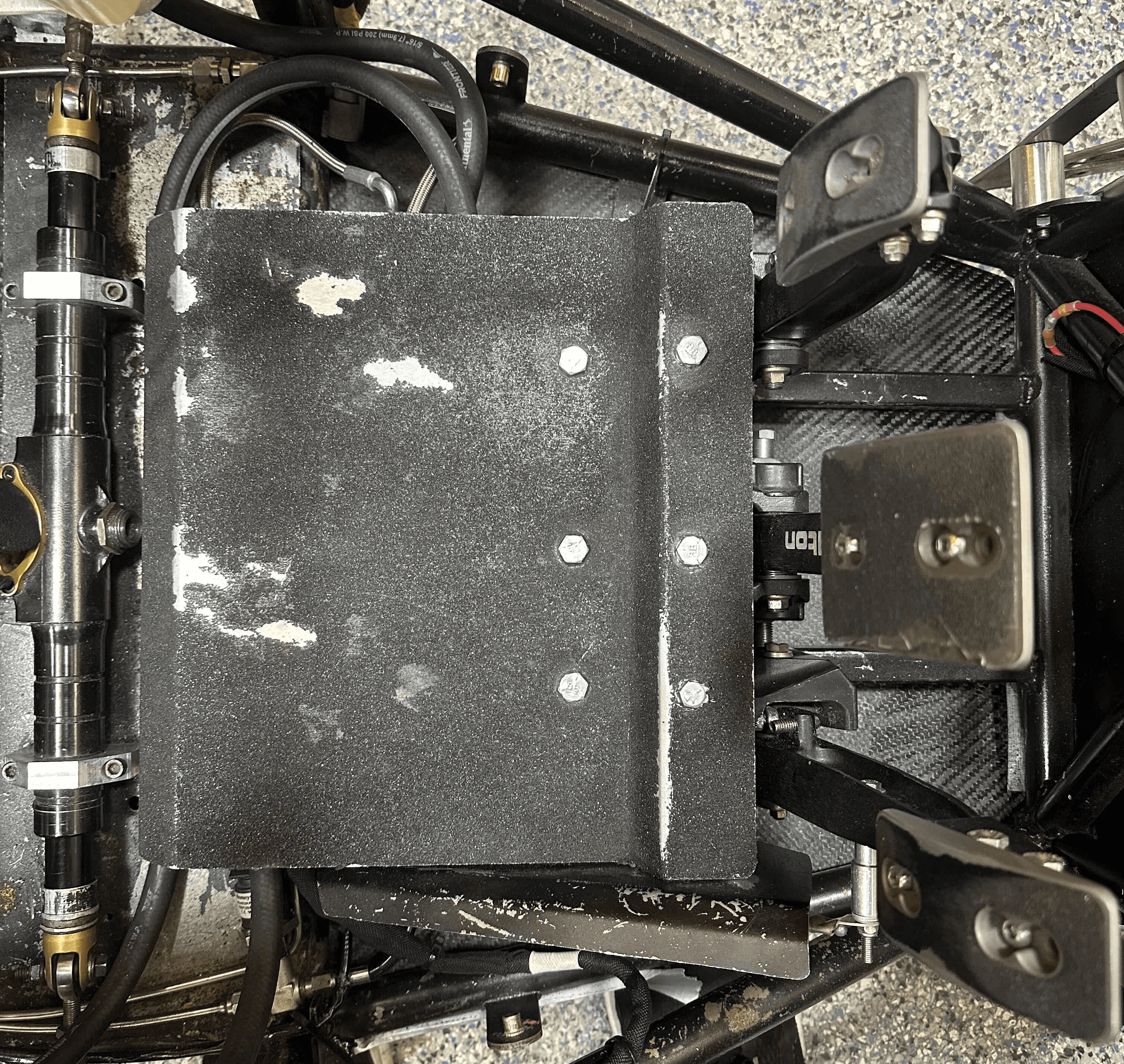
As a Design Engineer for Anteater Formula Racing, I undertook the project of designing, validating, and manufacturing a new footrest for our vehicle's pedal box.
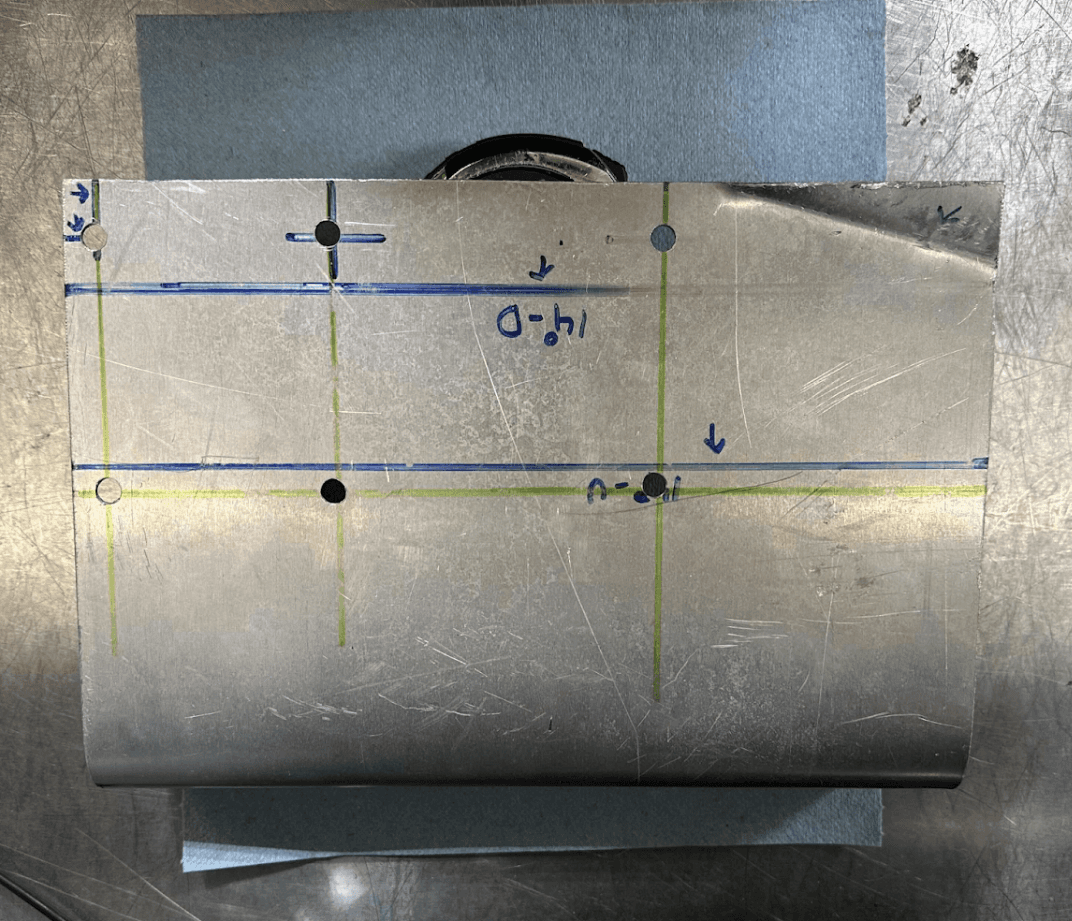
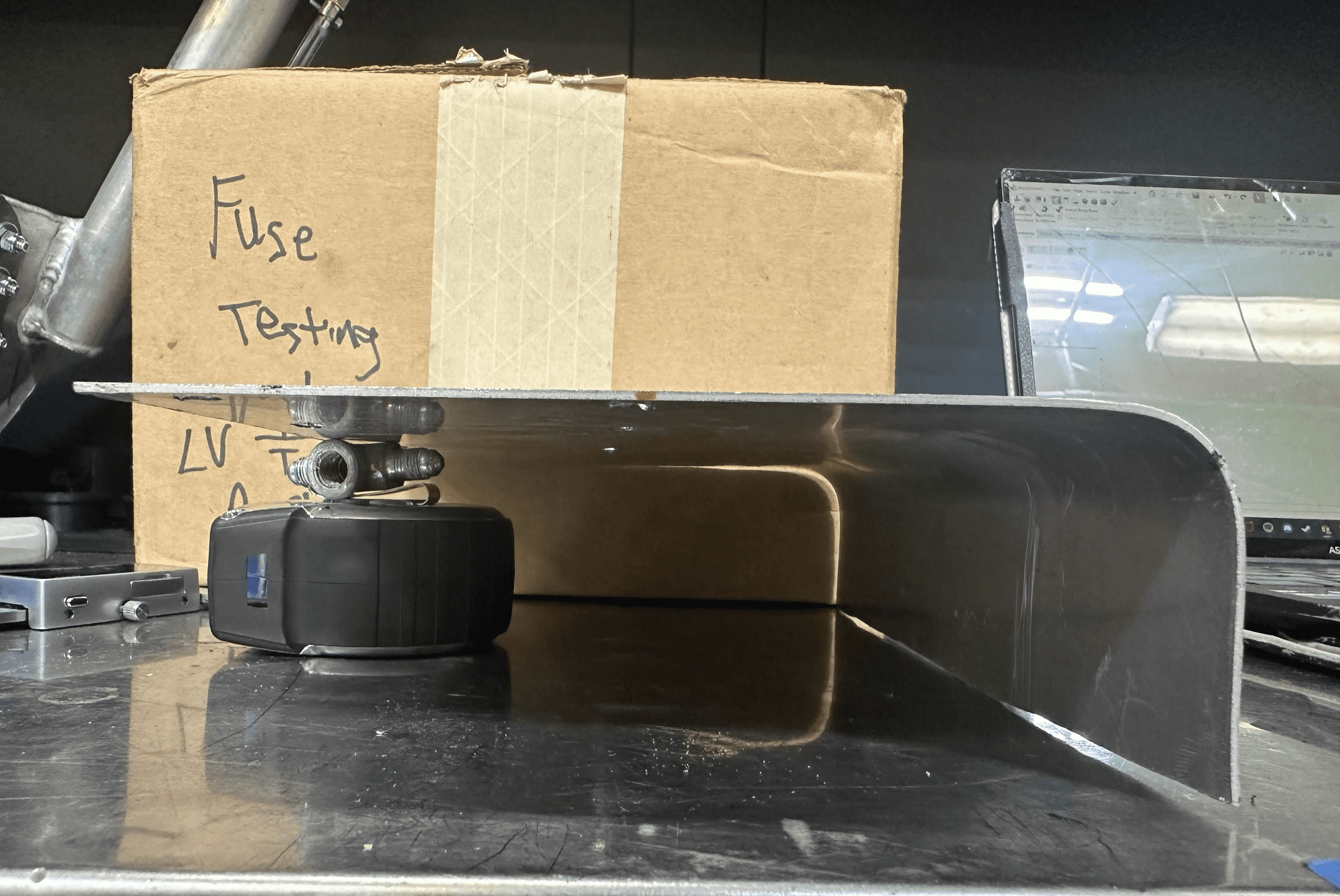
Previously, the car lacked a proper footrest, leading to driver discomfort and potential interference with critical pedal box components. Past solutions were temporary fixes, including a makeshift cardboard floor used at the last competition and a quickly fabricated aluminum plate that had no supporting CAD model or engineering verification. The primary goal of this project was to rectify this by engineering a new footrest from the ground up, guided by a formal process of design, iterative prototyping, rigorous analysis, and adherence to FSAE regulations.
Design Phase
The design process was highly iterative and focused on driver feedback. I began by creating a CAD model of the previous makeshift footrest to establish a baseline. Early concepts explored different geometries, but I quickly pivoted to using SOLIDWORKS' dedicated sheet metal tools. This was an important decision that enabled the creation of accurate flat patterns, ensuring the part was designed for manufacturability.
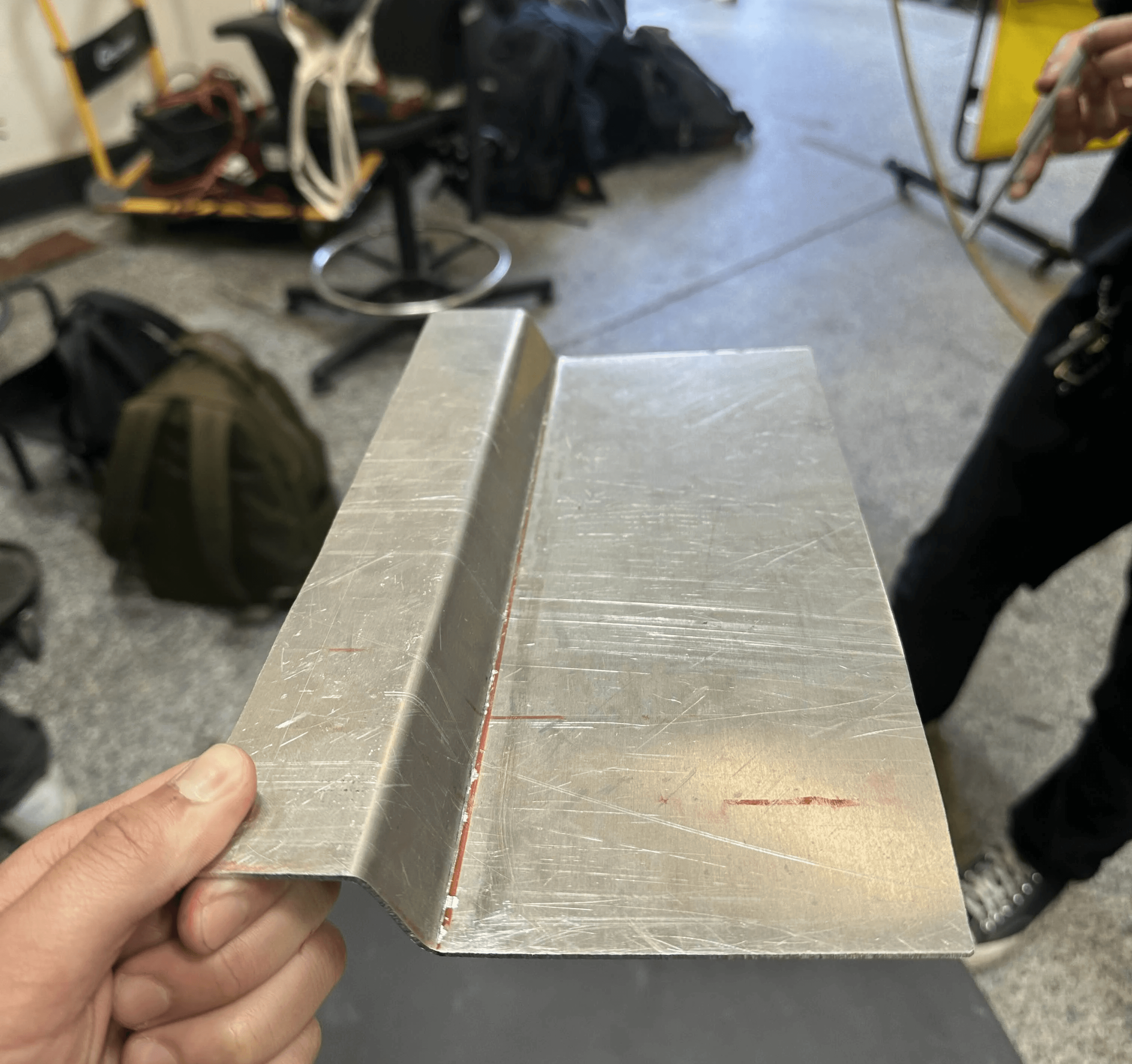
To perfect the ergonomics, I developed a series of physical prototypes. First, I 3D-printed several small-scale models to allow our drivers to test various bend angles and find what was most comfortable. Based on this feedback, I fabricated a full-scale metal prototype in the machine shop using a vertical bandsaw and sheet metal bender. These prototypes were used during track testing days and were instrumental in refining the final design, leading to a steeper bend angle and an elevated position that was highly preferred by the drivers. For the surface, an initial idea of a laser-engraved logo was replaced by functional skateboard griptape to provide a durable, non-slip surface for the driver's feet.



Verification Phase
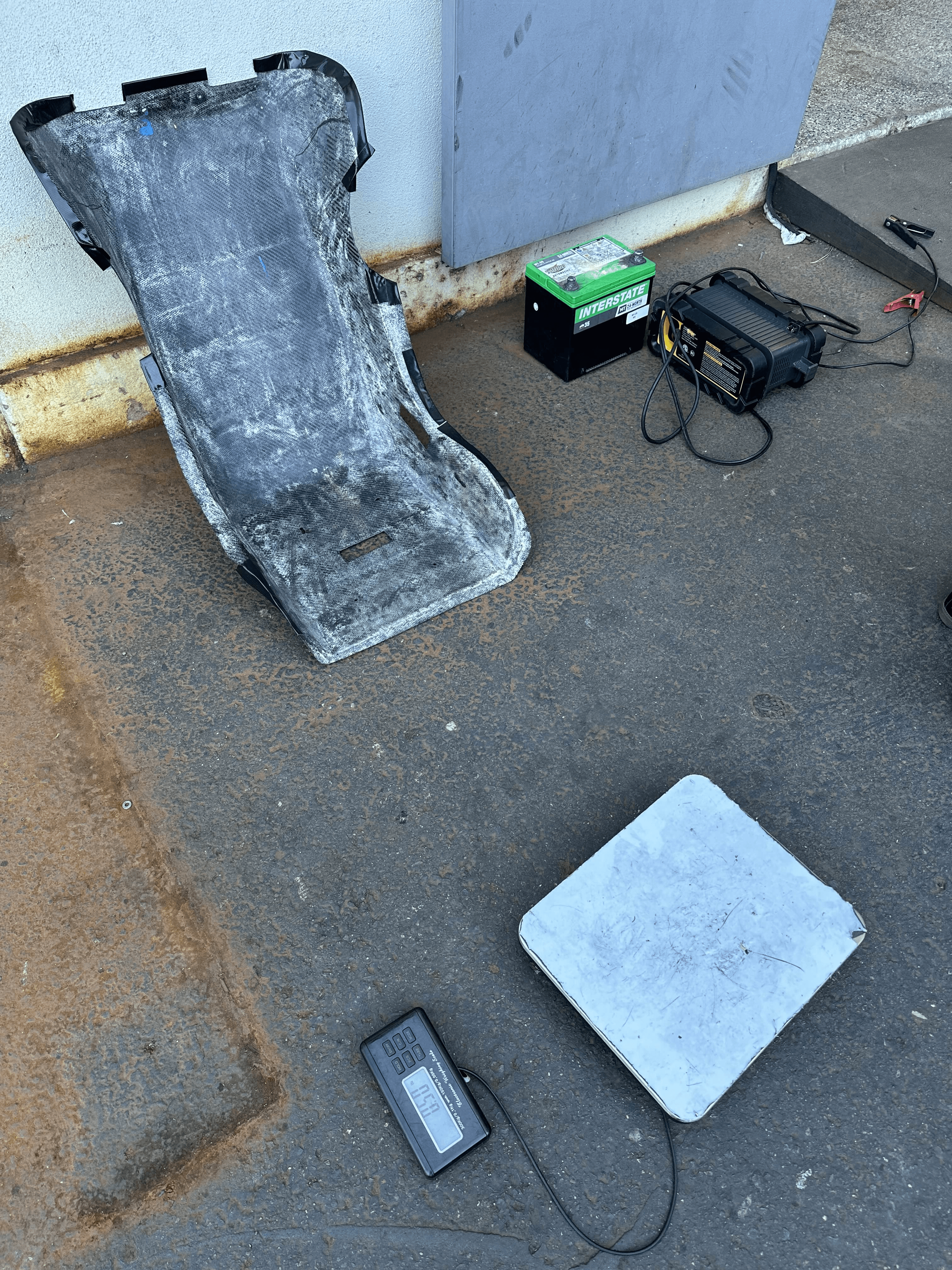
With the ergonomics defined, the design had to be validated with the application of engineering principles. To ensure the footrest would be robust enough to withstand any force a driver could exert, the first step was to quantify that load. I conducted a physical experiment using a driver's seat and a digital scale to measure the maximum force I could apply with my foot, providing a real-world data point for subsequent calculations.
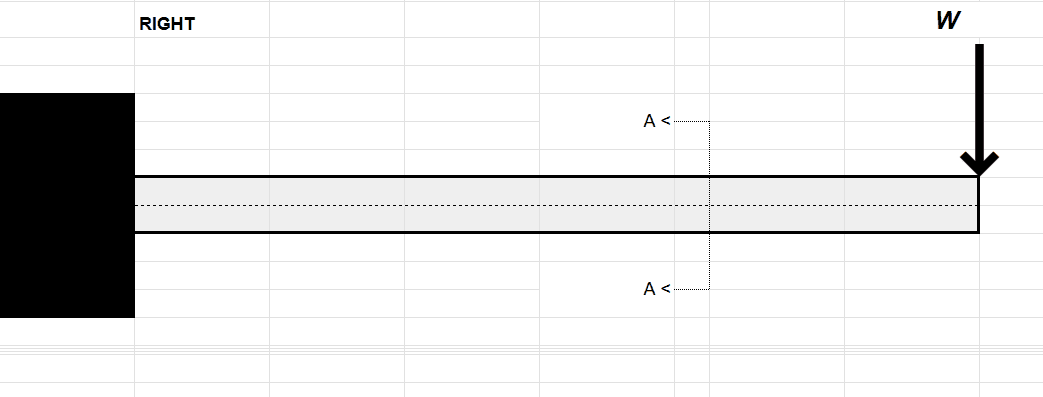
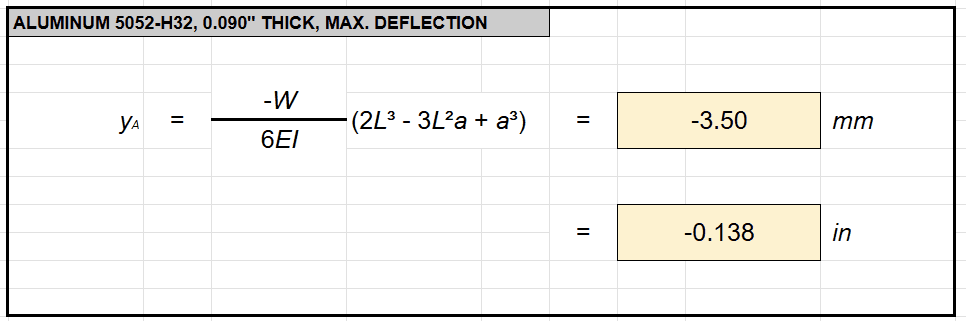
This force value was used in hand calculations where the footrest was modeled as a cantilever beam, with the fixed end at the rear mounting points. Using equations from Roark's Formulas for Stress and Strain, I calculated the maximum deflection for various materials and thicknesses. This analysis included a trade study comparing steel with different aluminum alloys to balance strength, weight, and stiffness. We ultimately selected 0.090-inch thick 5052 aluminum, which provided a calculated maximum deflection of just 3.5 mm under load. This choice was critical for weight savings, as the car was already front-heavy, and aluminum is significantly less dense than steel.
Redesign and Manufacturing Phase
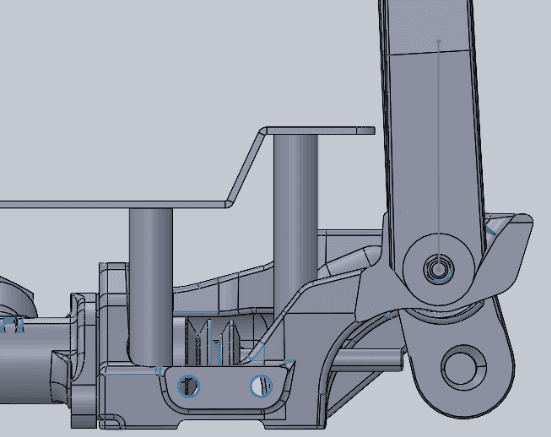
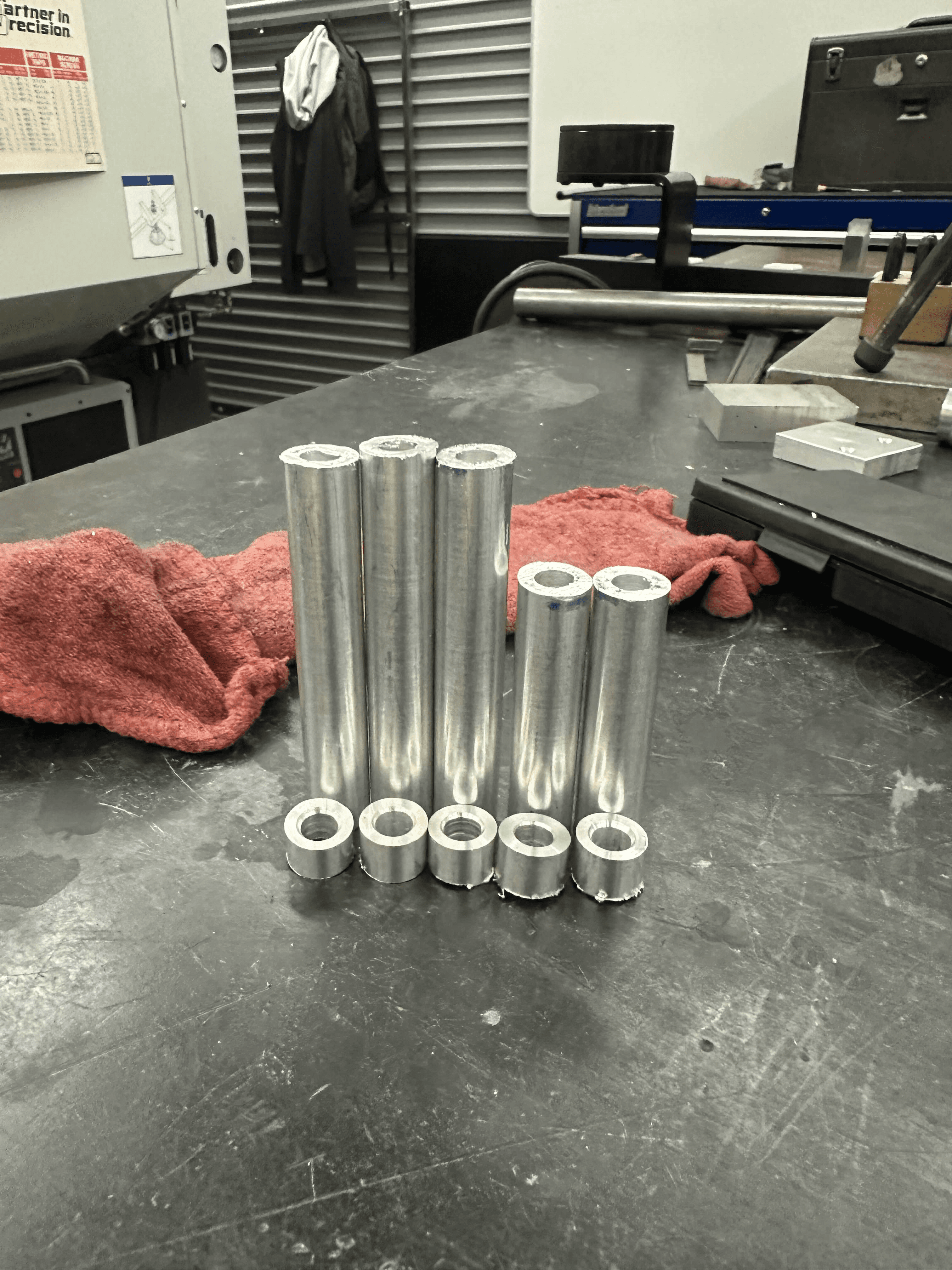
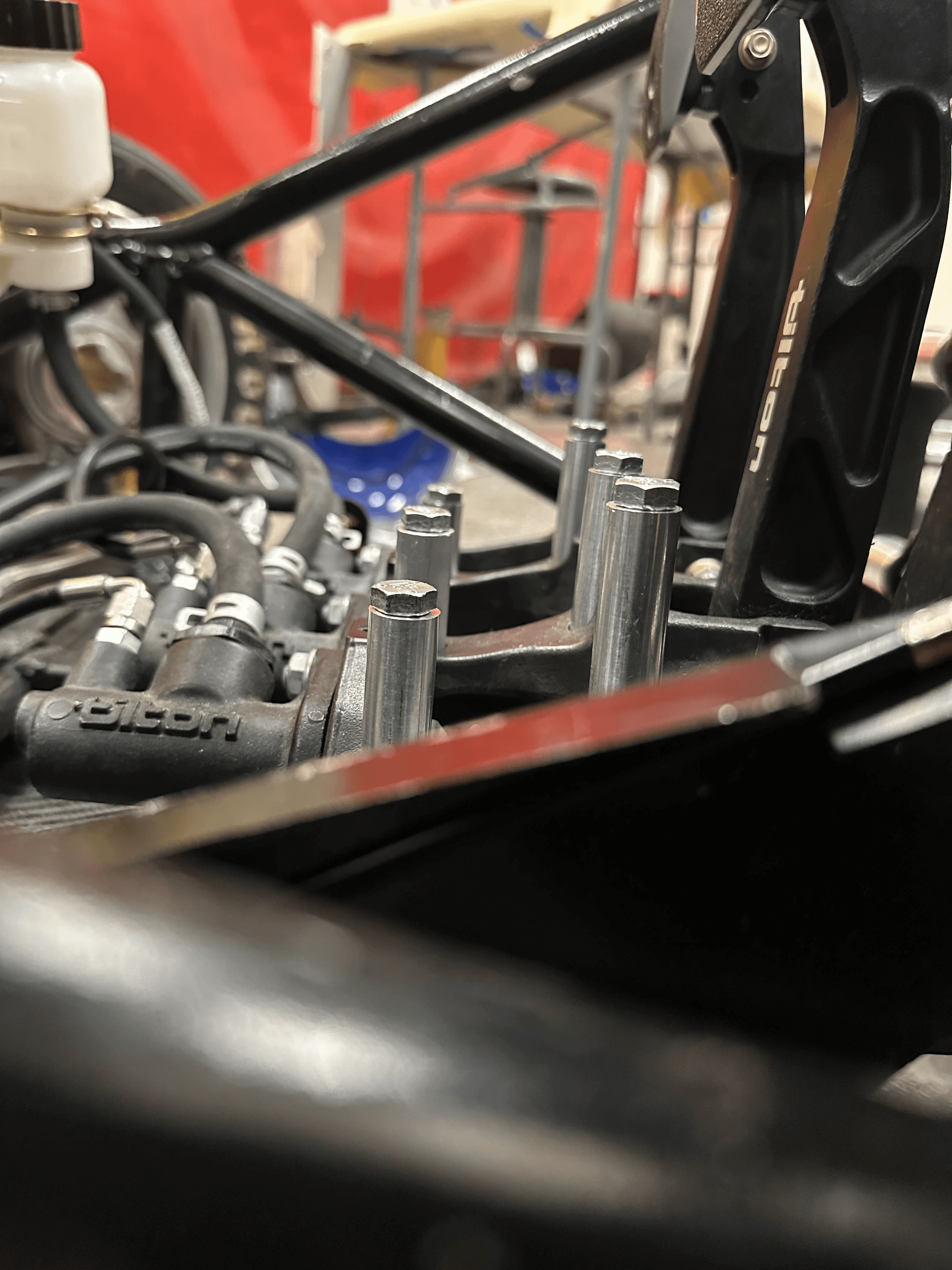
Just before sending the design for fabrication, a final rules review revealed that
FSAE rule T.3.1.10 designates all fasteners in the brake system as "Critical Fasteners". Since the footrest is part of the pedal box assembly, this necessitated a significant last-minute redesign. The mounting hole locations were completely repositioned to utilize the same holes that mount the entire pedal box to the chassis rails. This change also required the design of longer, custom machined aluminum spacers to achieve the ergonomic height that had been validated during our prototype testing. The final touch was a slight adjustment for DFM (design for manufacturing), where I modified the bend radius to be compatible with our third part manufacturer, SendCutSend.

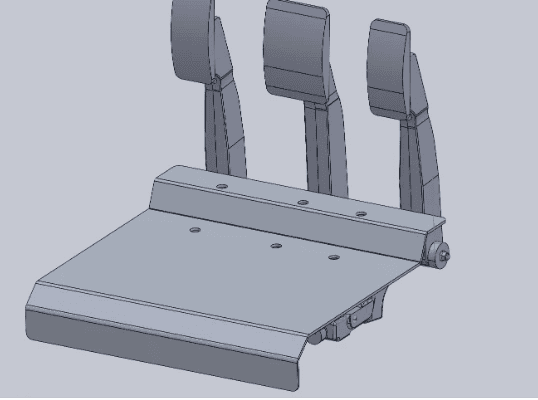
This project successfully transformed a neglected, makeshift part into a fully engineered and validated vehicle subsystem. The final design features a durable, lightweight 5052 aluminum floor, elevated for comfort, covered in griptape for safety, and secured with rules-compliant critical fasteners. It represents a complete engineering cycle—from identifying a need and gathering experimental data to iterative prototyping, rigorous analysis, and professional manufacturing.