Gastly
AFR 2024-2025

"Gastly" is Anteater Formula Racing's entry to Formula SAE Michigan 2025.
This page acts as a timeline for the overall project + some smaller side projects I worked on. You can find my larger, more significant projects below:


Summer 2024:
Post-Processing the Driver Seat
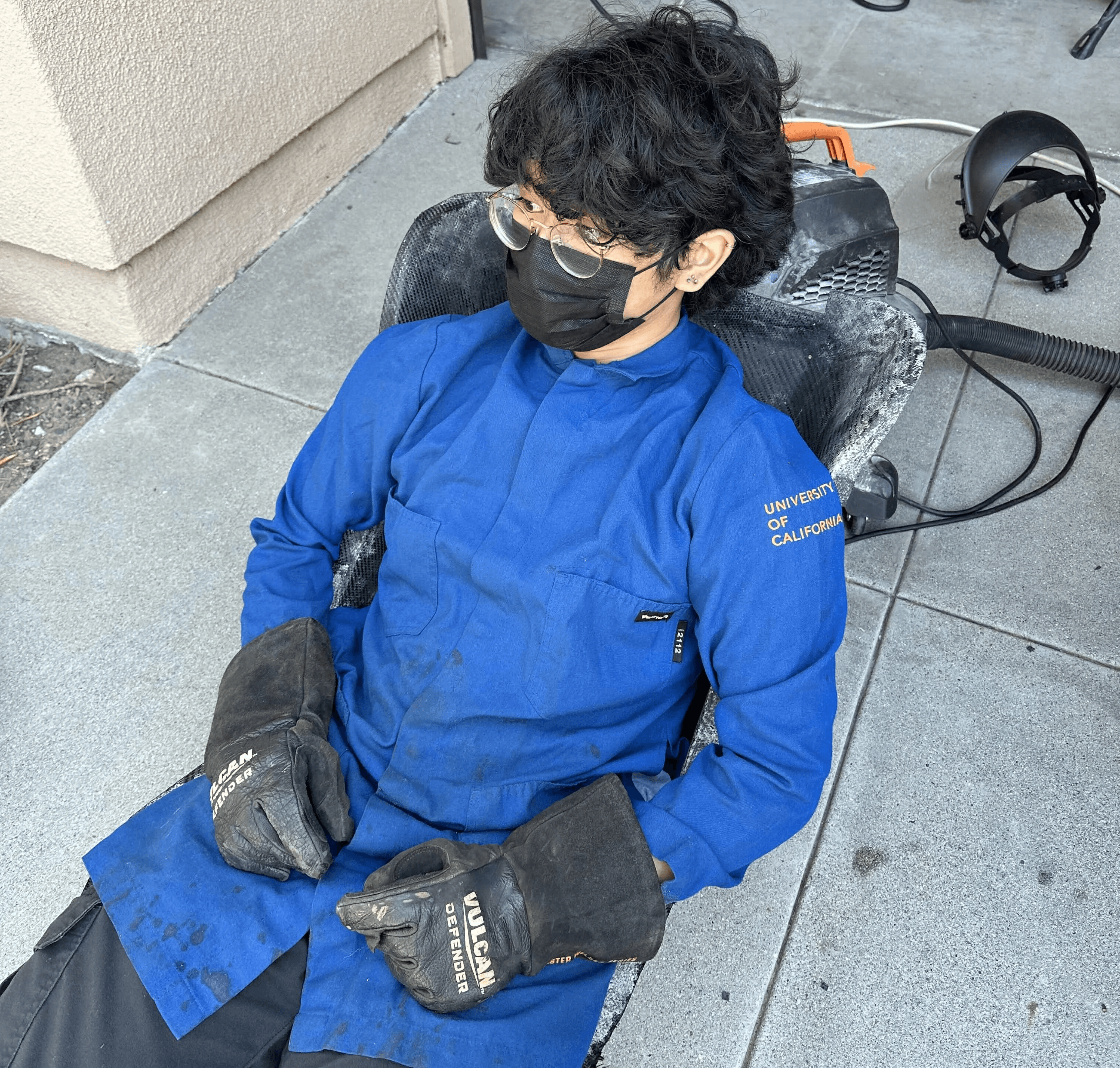
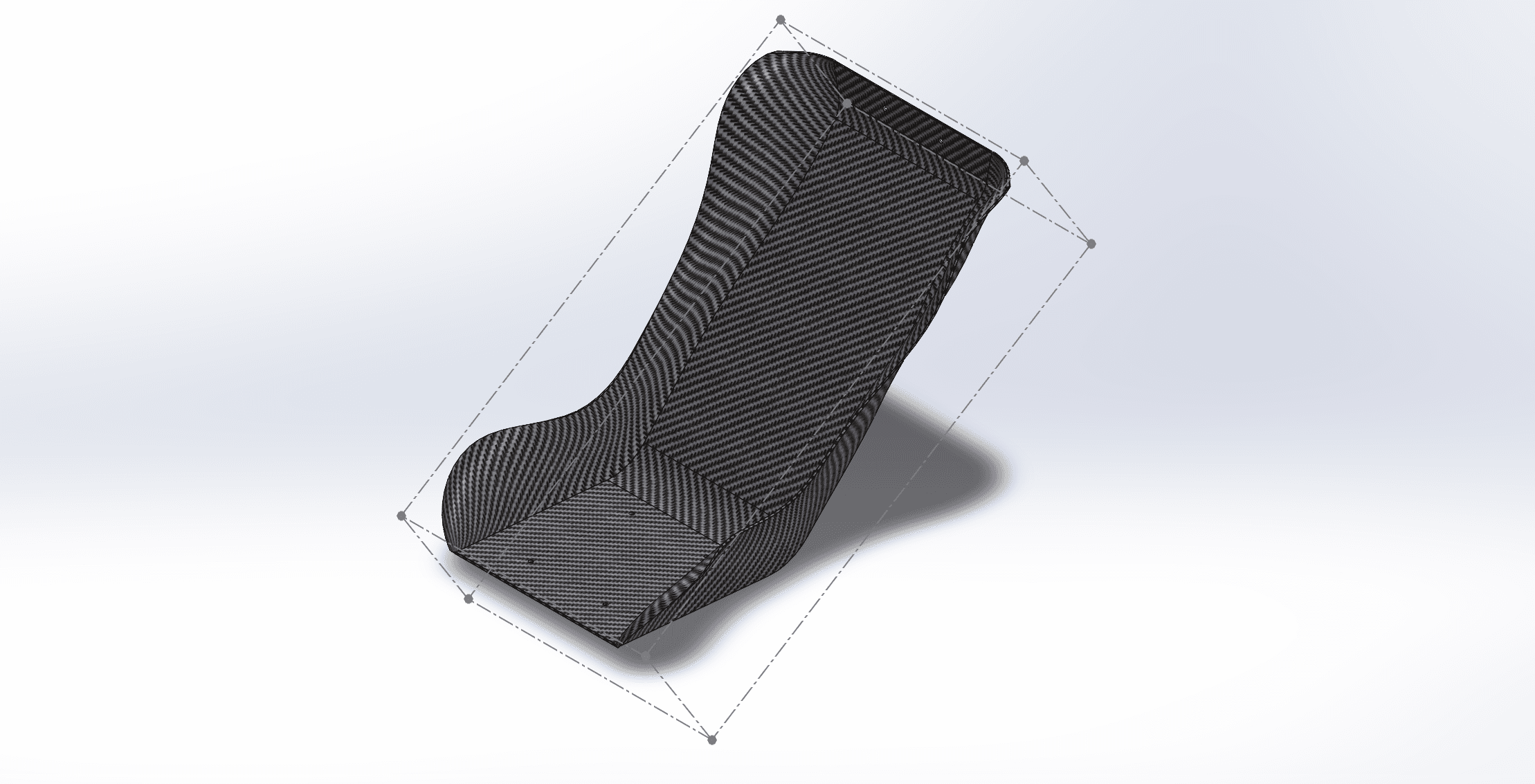
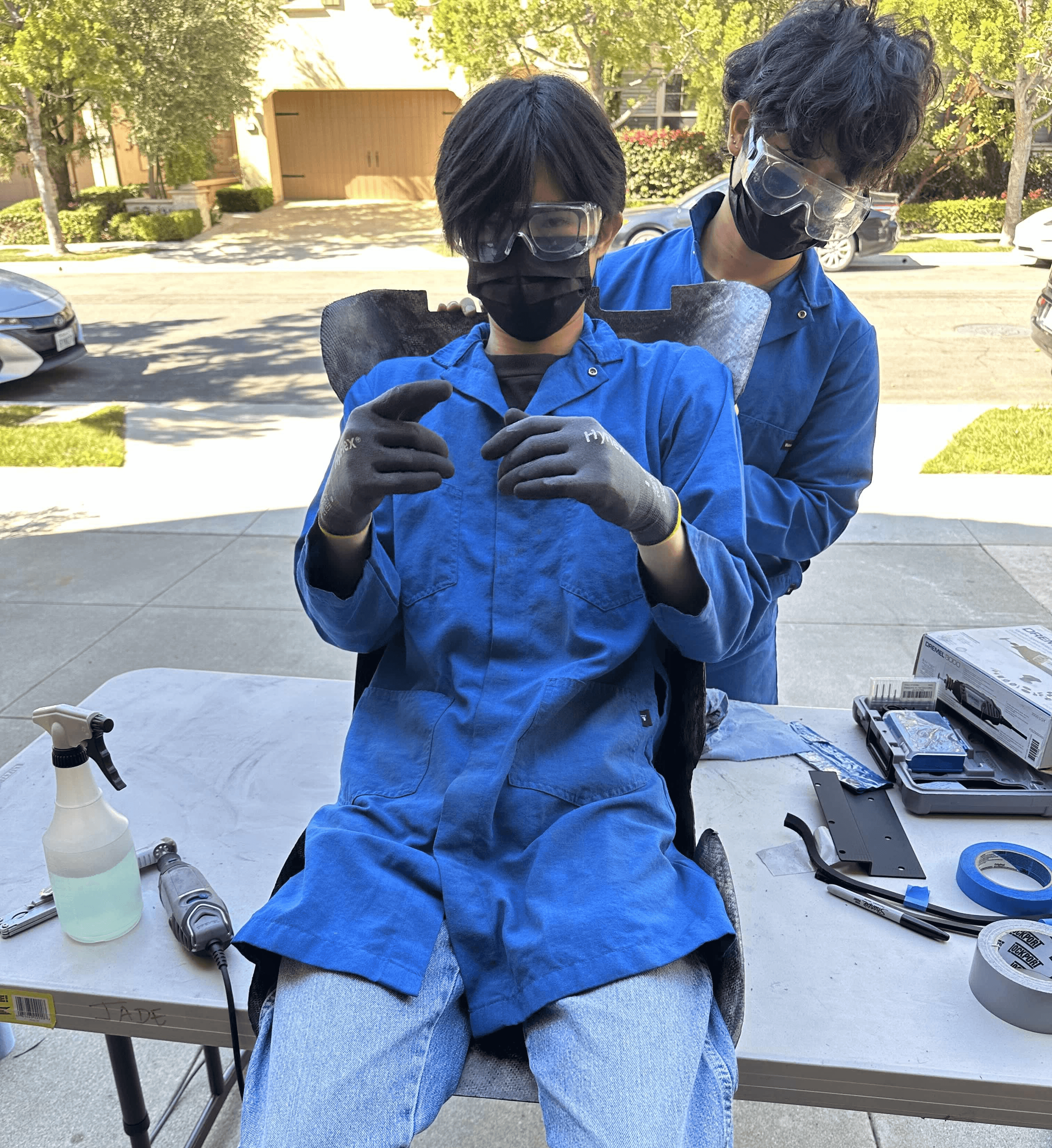
As a Human Interface Design Engineer, I was tasked with post-processing a manufactured carbon fiber driver's seat to create rules-compliant and ergonomic pass-throughs for the safety harness. Our initial attempts at cutting the slots with a Dremel yielded imprecise results, reinforcing the "measure twice, cut once" philosophy. To solve this, I shifted to a driver-centric approach, taking direct ergonomic measurements from drivers sitting in the seat. Based on this precise data, We 3D-printed custom cutting jigs that fit the seat's contours, transforming the freehand operation into a guided machining process that produced clean, consistent results.
During this hands-on work, we found that spraying the cutting area with warm, soapy water is an effective technique for working with carbon fiber, as it lubricates the cut, reduces dust, and prevents bit breakage. Ultimately, the most significant takeaway from this project was the importance of Design for Manufacturing (DFM). The extensive challenges of post-processing could have been completely avoided if the harness slots and composite tab placements were integrated into the seat's initial CAD model. This experience was a valuable lesson in how fully fleshing out a design beforehand can streamline manufacturing, reduce manual labor, and save significant time.
When I joined Anteater Formula Racing in the summer of 2024, the team was facing a significant hurdle with our car achieving a stable engine start. The primary difficulty stemmed from FSAE regulations, which mandate an air intake restrictor that fundamentally alters the engine's performance from its stock configuration. This rule, combined with our custom exhaust and electrical systems, rendered the manufacturer's data for our Yamaha R6 engine obsolete and turned calibration into a complex tuning nightmare. Although my work was on the human interface team, I was present for many late-night sessions, observing the immense effort required to solve this problem. After weeks of persistent tuning and countless attempts, the engine finally roared to life in November 2024. This was a pivotal moment for the entire team, providing a massive boost in morale and validating the hard work of every subteam. For me, it was an invaluable opportunity to learn about the intricate challenges of engine tuning and the deep integration between a vehicle's mechanical and electronic systems.
(Excuse our immense excitement in the video)
Winter 2025: Steering Effort Tester
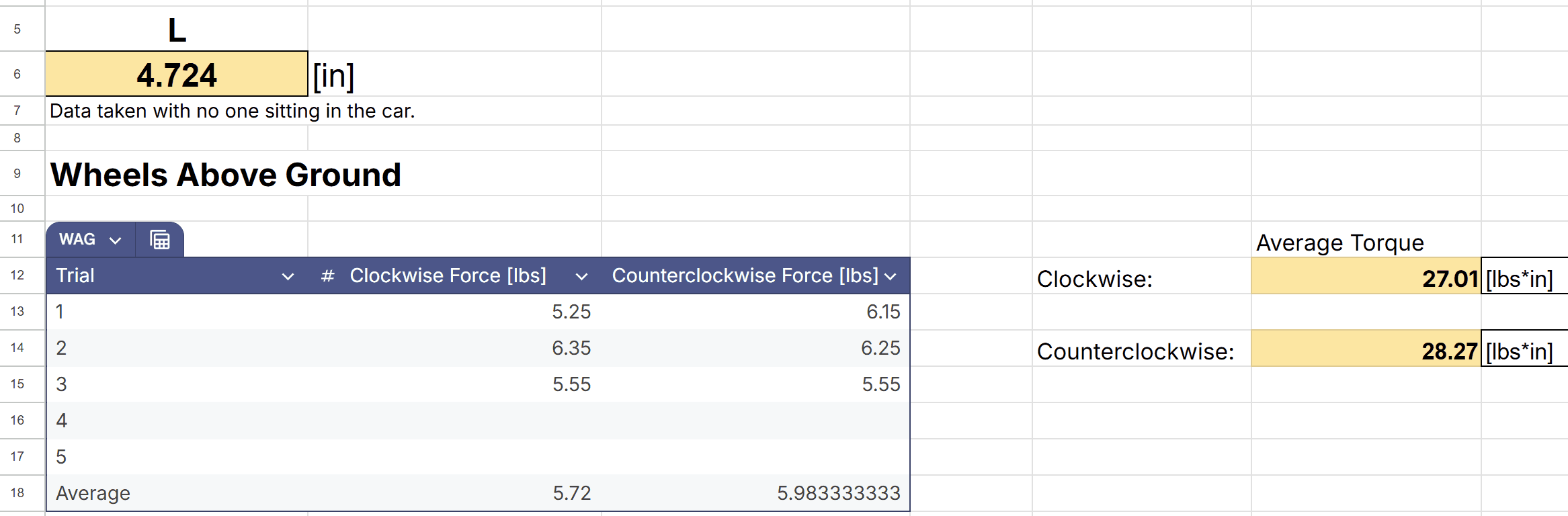
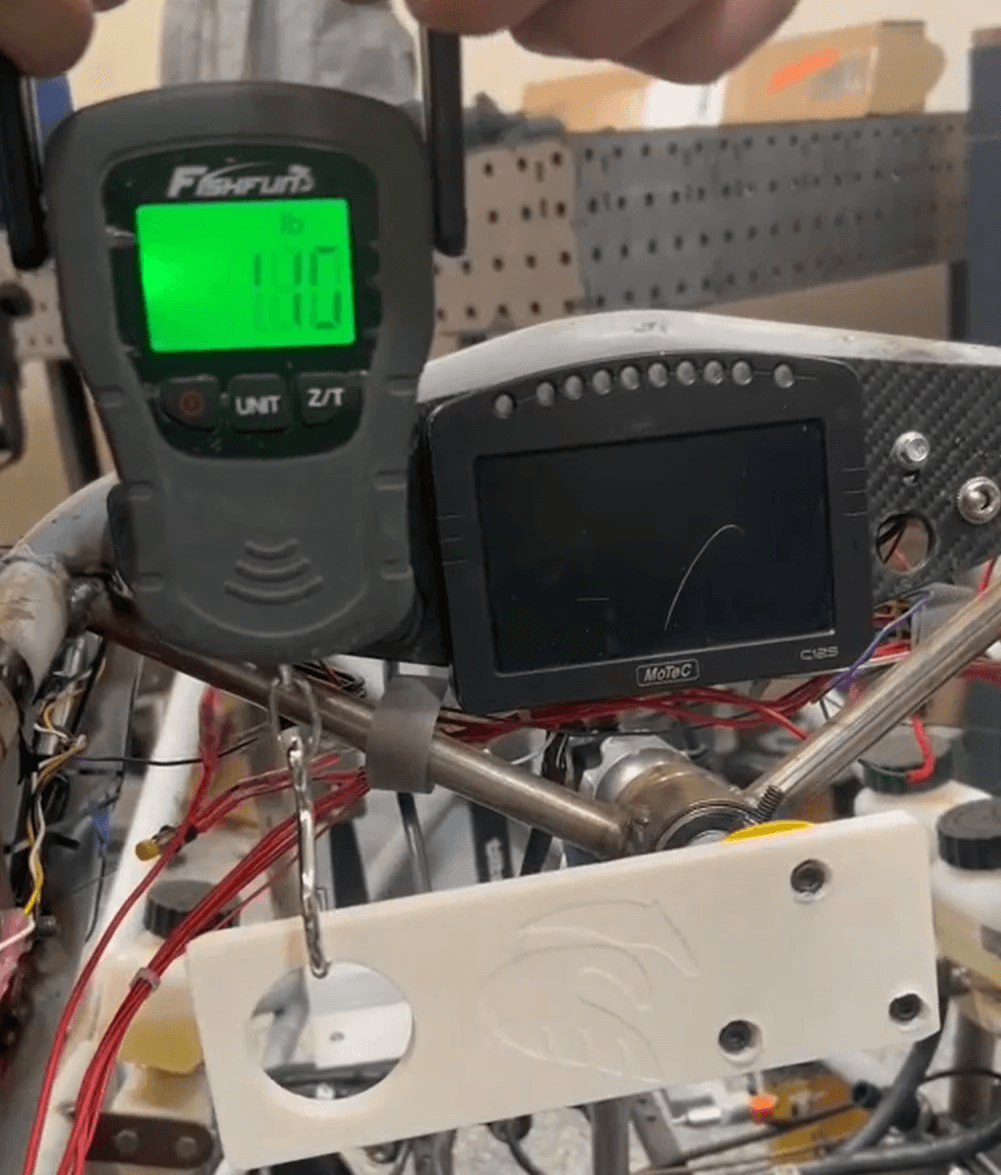
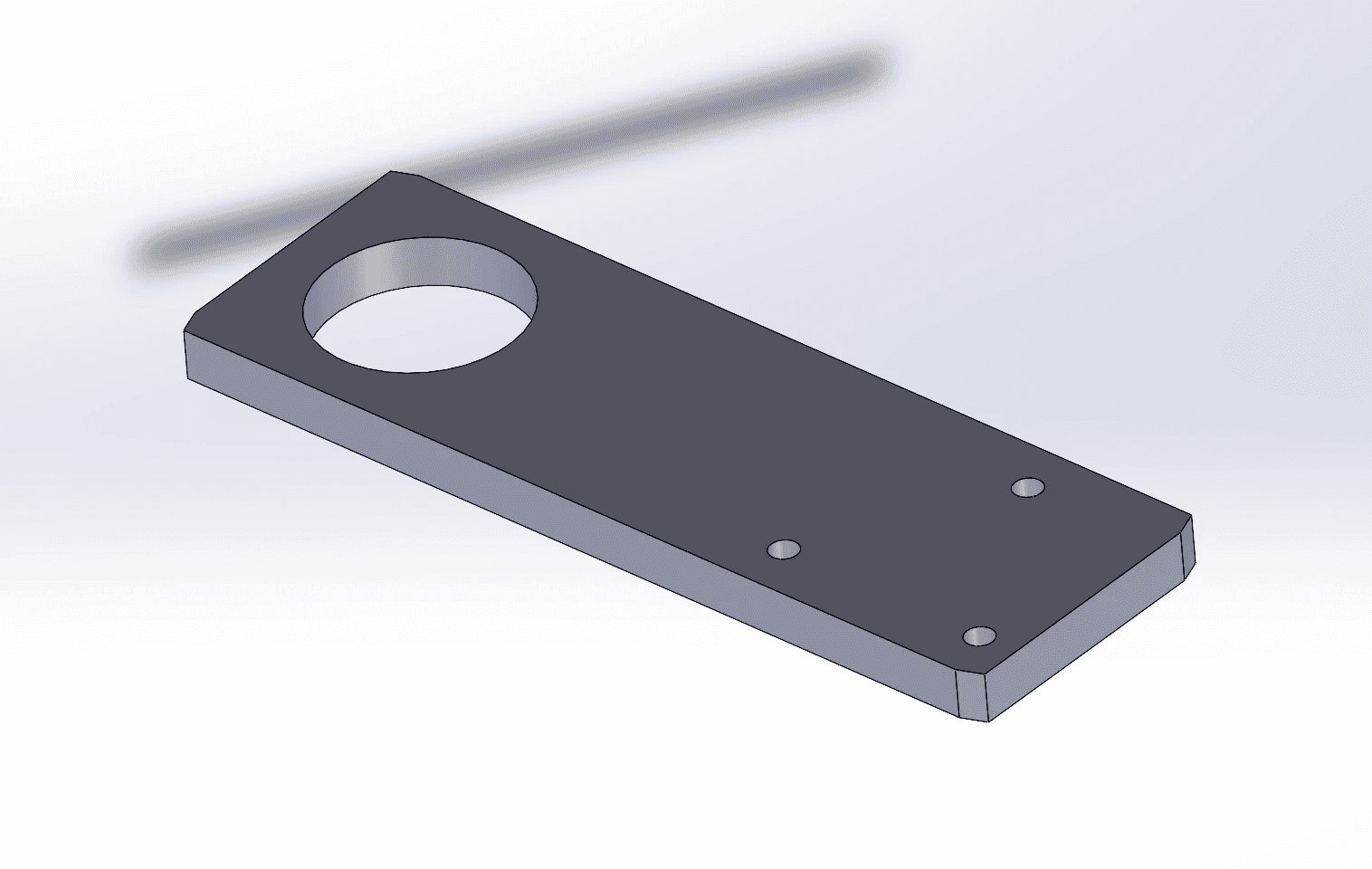
To better understand our vehicle's performance, I worked on a project to quantitatively measure the breakaway torque of the FSAE car's steering system, establishing a baseline for driver ergonomics and future improvements. I designed a custom fixture in SOLIDWORKS that mounts to the steering wheel, allowing a digital force scale to be applied at a precise distance from the center. The test was conducted with the front wheels off the ground to isolate the system's internal friction. By recording the force required to initiate rotation over multiple trials in both clockwise and counterclockwise directions, I ensured a consistent and accurate data set for analysis.
The collected data was used to calculate an average breakaway torque of approximately 27-28 lbs*in off the ground and 111-118 lbs*in on the ground. This result provides our team with a clear, actionable benchmark for the steering system's mechanical efficiency and the baseline effort required from the driver.
Winter 2025 - Track Day
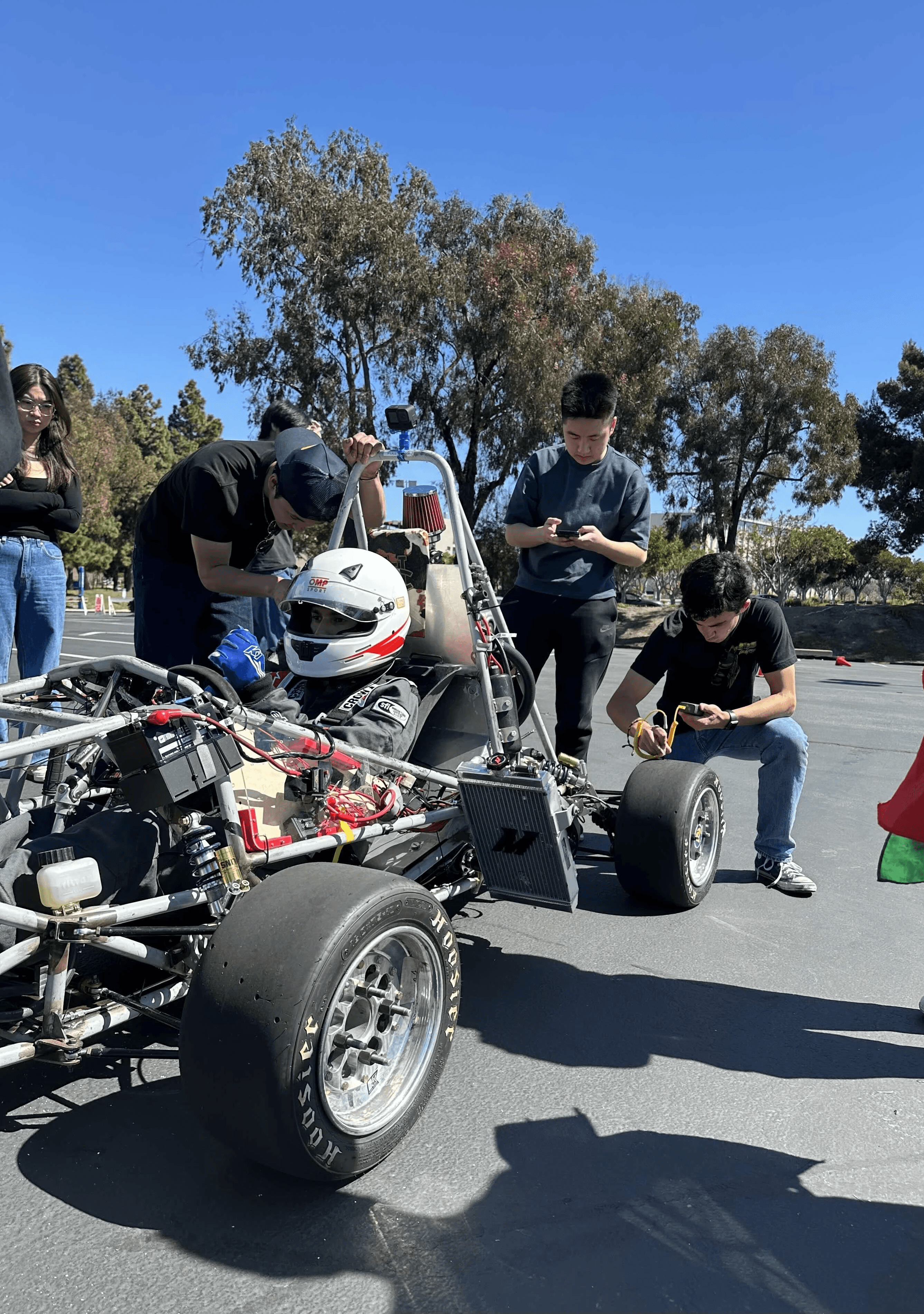
The first official track test of our vehicle was in March of 2025. With the car finally running, this shakedown was essential for all subteams to gather performance data and driver feedback. The day served its purpose perfectly by exposing numerous system weaknesses. These were invaluable discoveries in a controlled test environment as opposed to during competition. From a human interface standpoint, we immediately identified a soft brake pedal with excessive travel, which persisted even after a fresh bleed. Our diagnostic process revealed multiple leaks within the hydraulic brake lines. We systematically addressed each point of failure by securing fittings and fabricating entirely new lines where necessary to create a properly sealed system. This hands-on troubleshooting not only resolved the issue but also allowed us to perfect our brake bleeding procedure, dramatically improving our speed and efficiency at this critical trackside task. Ultimately, the test day was a success not despite the challenges, but because of them, providing us with the crucial data needed to improve the car's reliability and performance.
Spring 2025 - Throttle Cable Shield
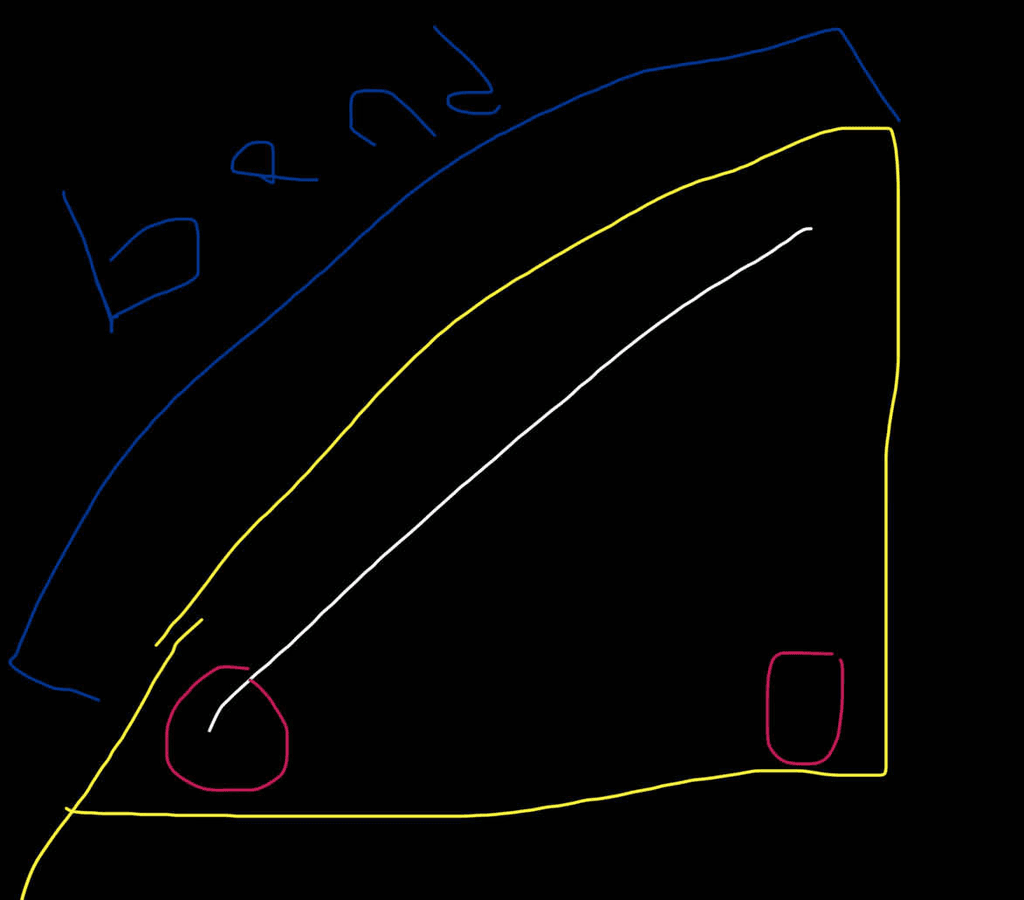


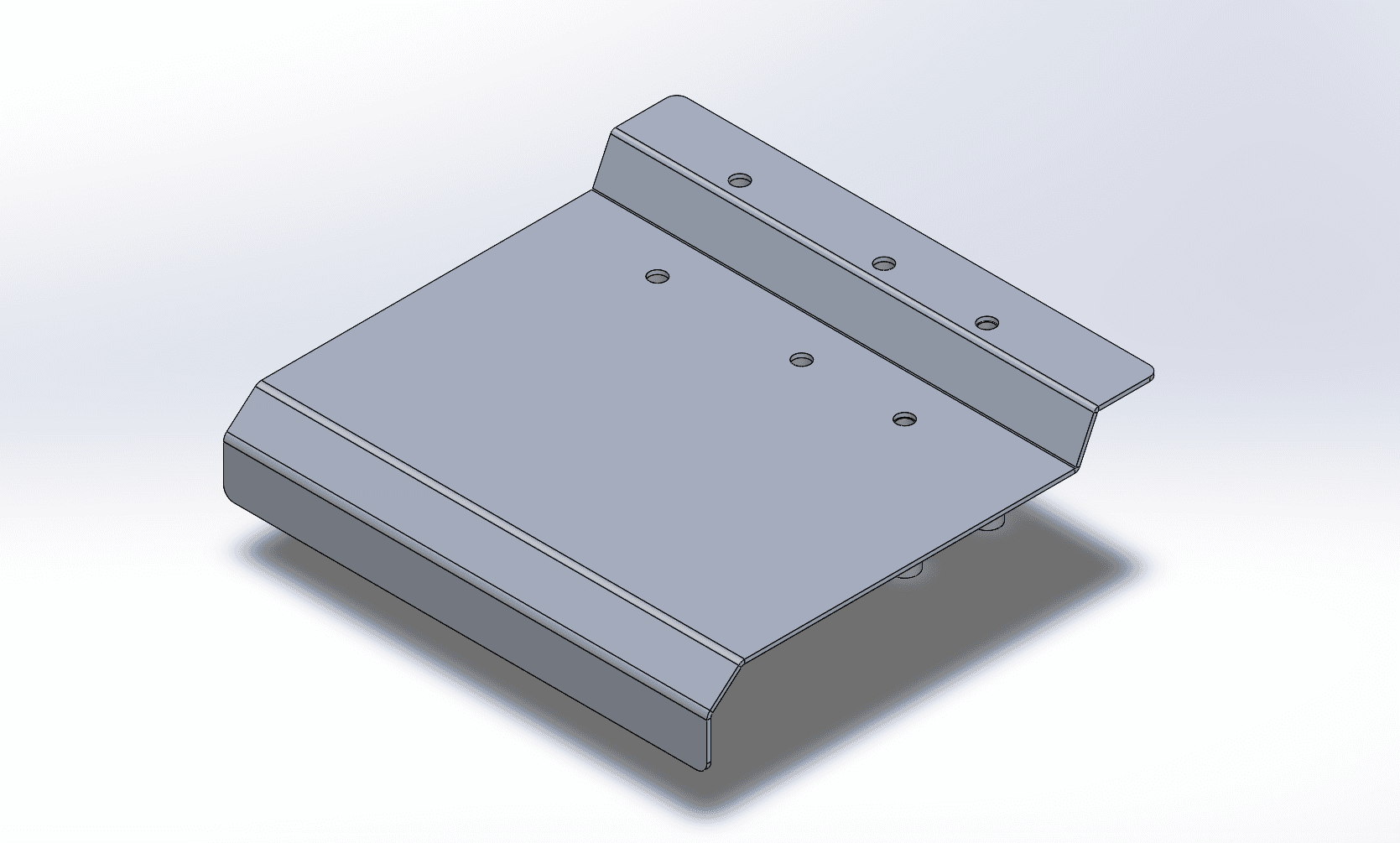
With our competition just one week away, I was tasked with addressing a critical safety and rules-compliance issue: the driver's throttle cable was exposed and at risk of being kicked. The primary challenge was that the existing cable assembly was not documented in our CAD models, preventing a traditional design workflow. To solve this on a short timeline, I adopted a rapid, hands-on prototyping method. I began by sketching the design and identifying available mounting points on the chassis, then created a template directly on the car using cardboard to ensure perfect fitment and integration with the undocumented components. Using the validated cardboard template, I scribed the final pattern onto a sheet of 6061 aluminum.


Then, I utilized a vertical bandsaw to cut the profile and a sheet metal bender to form a protective lip over the top of the cable. The resulting shield was a robust, effective solution that packaged perfectly within the assembly. While a fully integrated digital design is always the ideal, this project tested my ability to adapt under pressure, using practical, hands-on techniques to deliver a critical component on an aggressive deadline when traditional engineering methods were not feasible.
Spring 2025:
Competition!
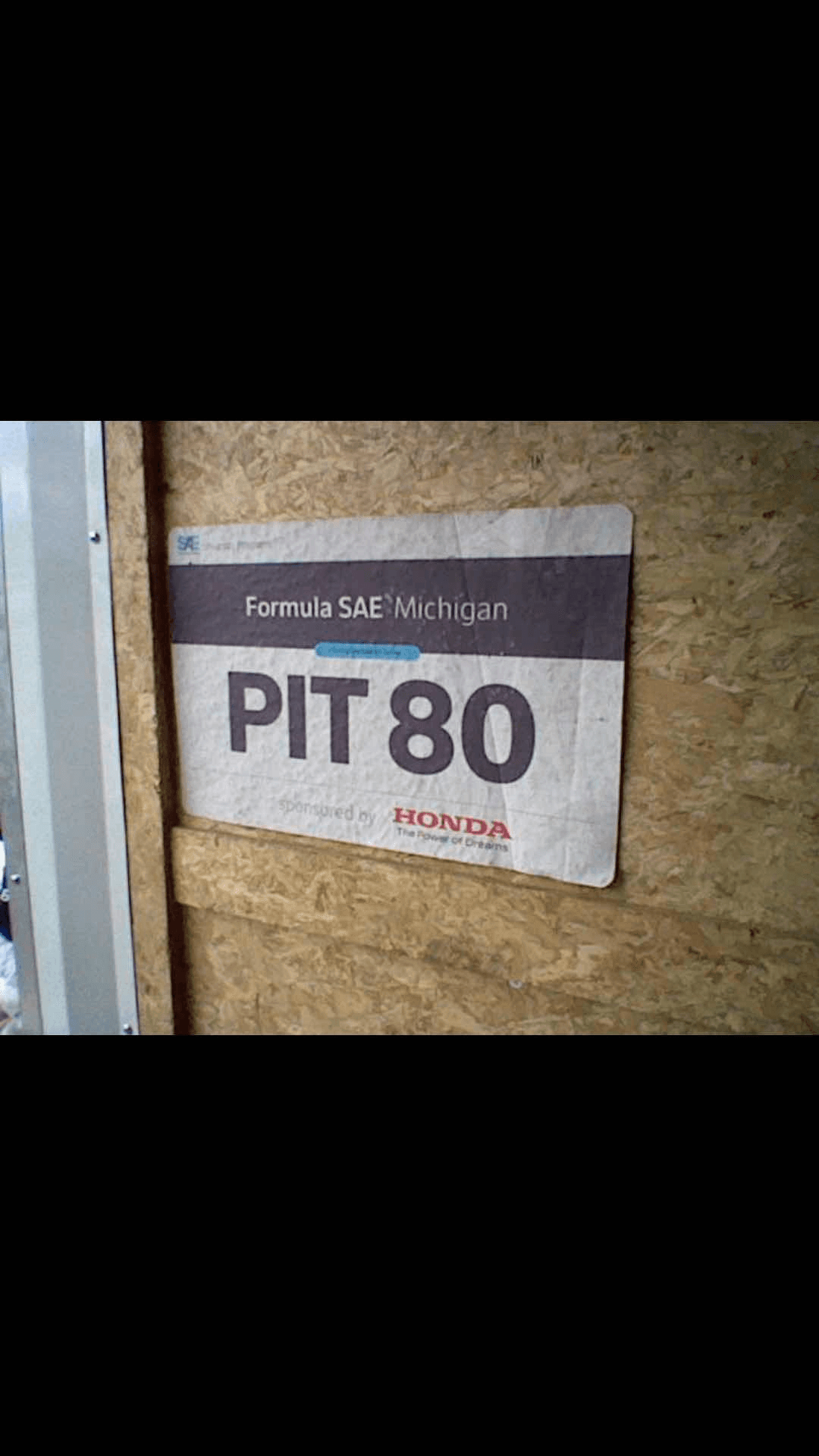
In May, the team traveled to the Michigan International Speedway to compete in the main FSAE competition. The event was the ultimate test of our vehicle, "Gastly," and our team's preparation. Our proudest achievement was successfully passing technical inspection, a critical hurdle that evaluates every aspect of the car's safety and rules compliance. However, this was not without its challenges, as we faced a significant obstacle in the brake test, which required sixteen attempts before we were finally able to pass and be cleared for the dynamic events.
The difficulty with the brake test stemmed from a combination of environmental and design factors. We discovered that the coefficient of friction on the official track surface was significantly different from our campus parking lot test grounds, altering the car's braking dynamics. This was compounded by a fundamental limitation in our brake system's design. With identically sized calipers, rotors, and master cylinders for the front and rear, our theoretical brake bias was 50/50. Even with the bias bar adjusted fully forward, we could only achieve a 60/40 split, making it incredibly difficult to consistently lock the front wheels first as required by the rules.
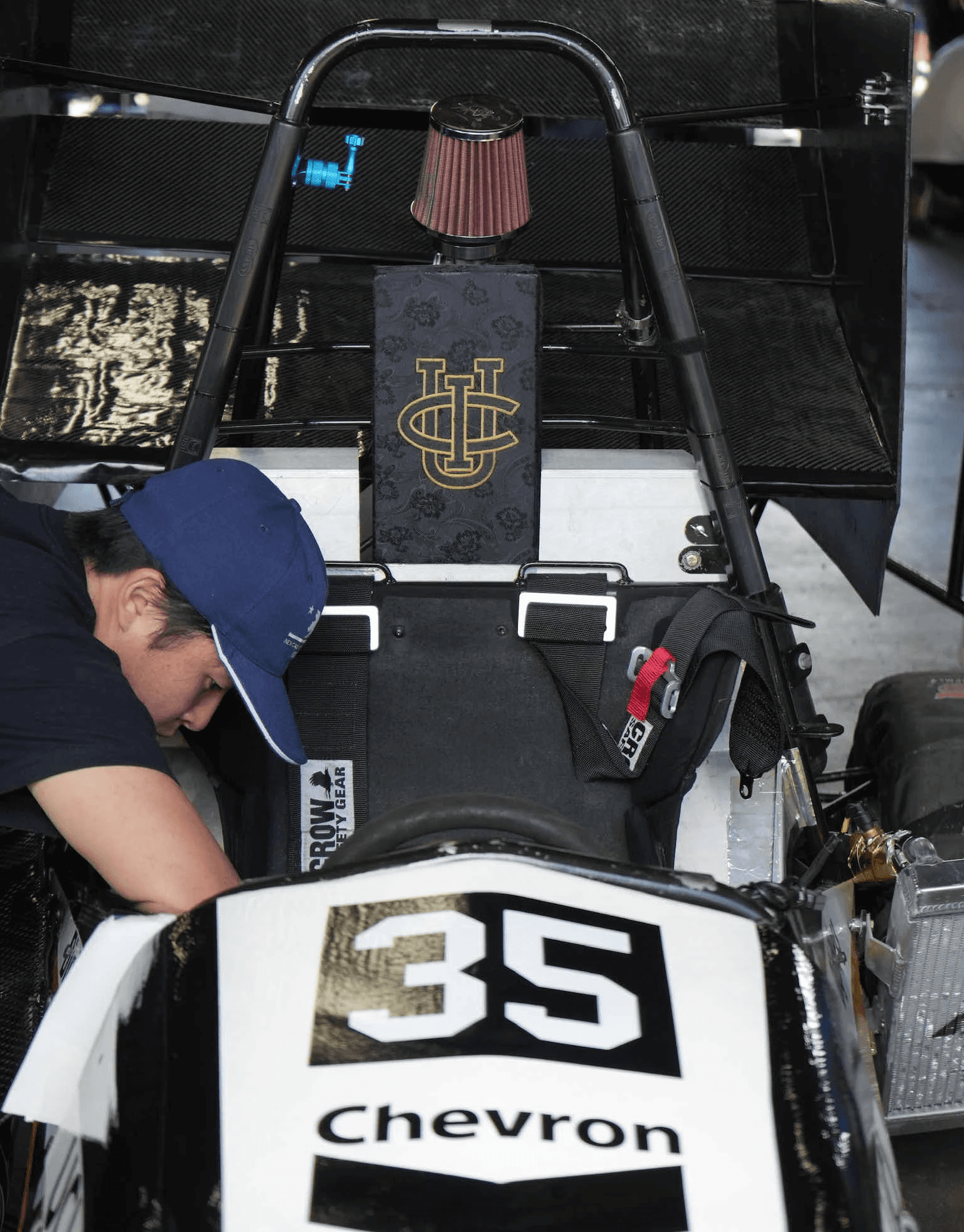
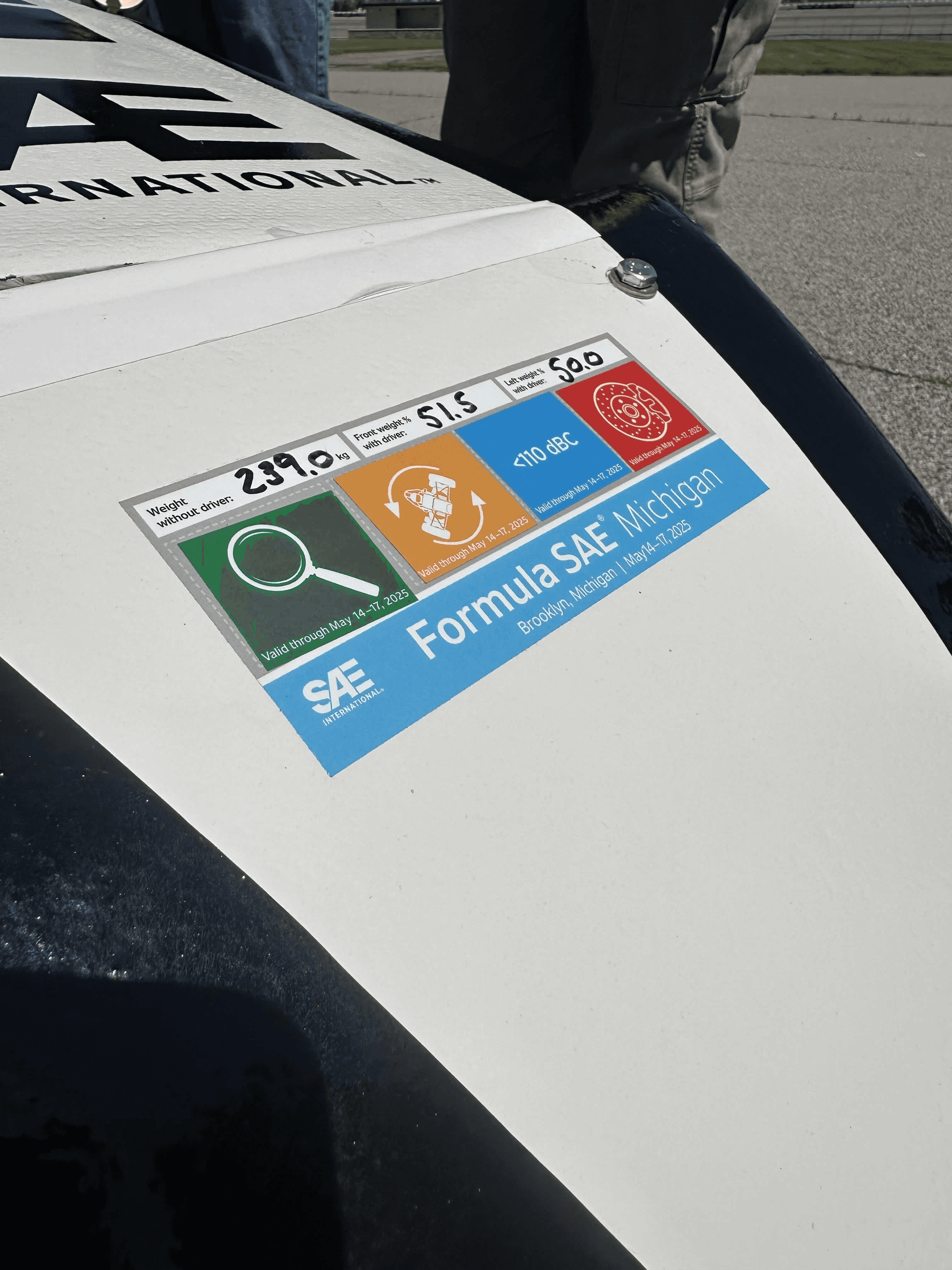
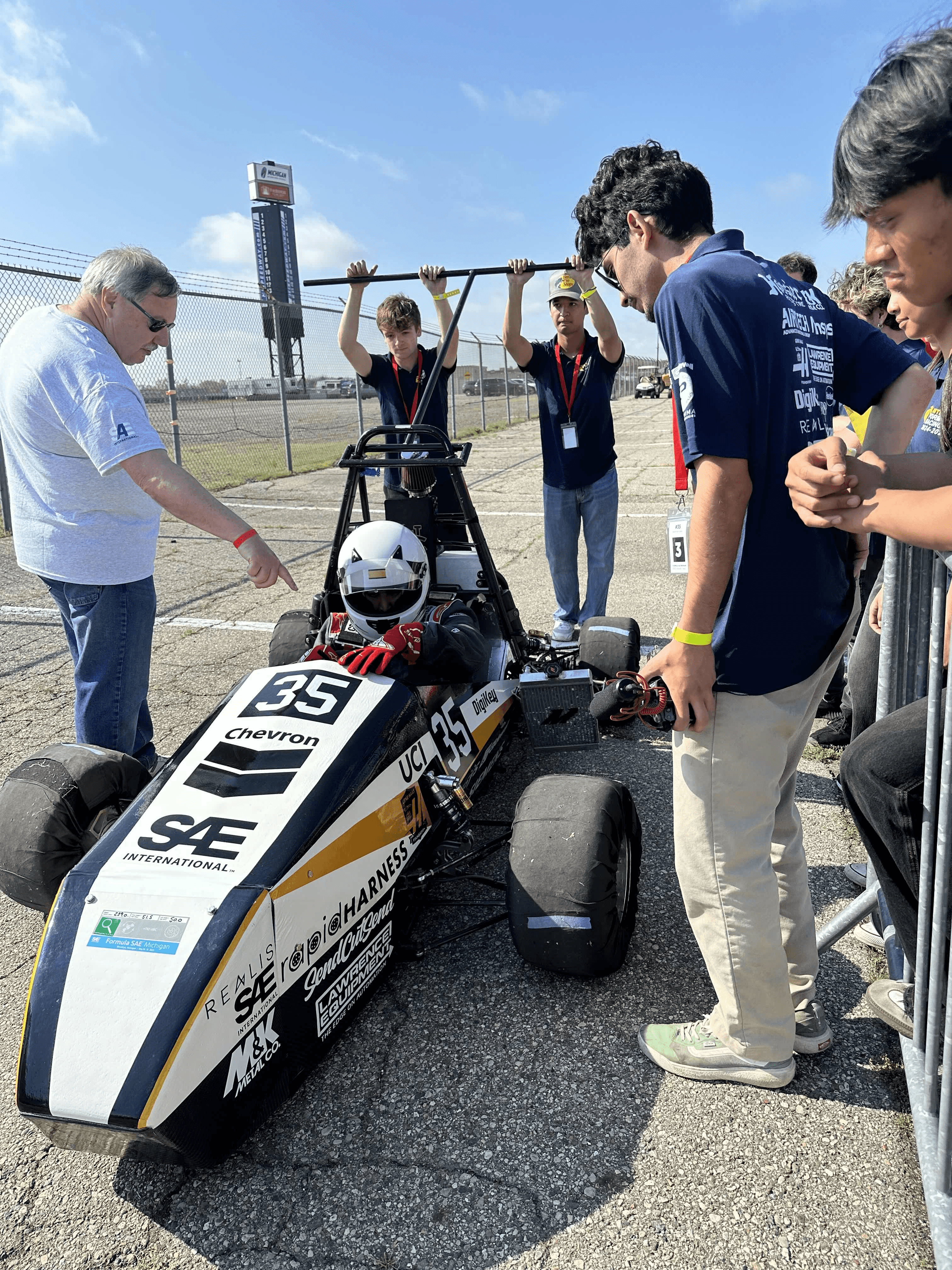
Unfortunately, our performance in the dynamic events was hindered by a persistent cylinder misfire traced back to an electrical issue. This unforeseen problem led to less than desirable results in the Skid Pad and Autocross events and ultimately caused us to receive a DNF (Did Not Finish) in both the acceleration and endurance runs. While the on-track results were disappointing, the experience of diagnosing and attempting to overcome these issues under the pressure of competition was an invaluable learning experience.
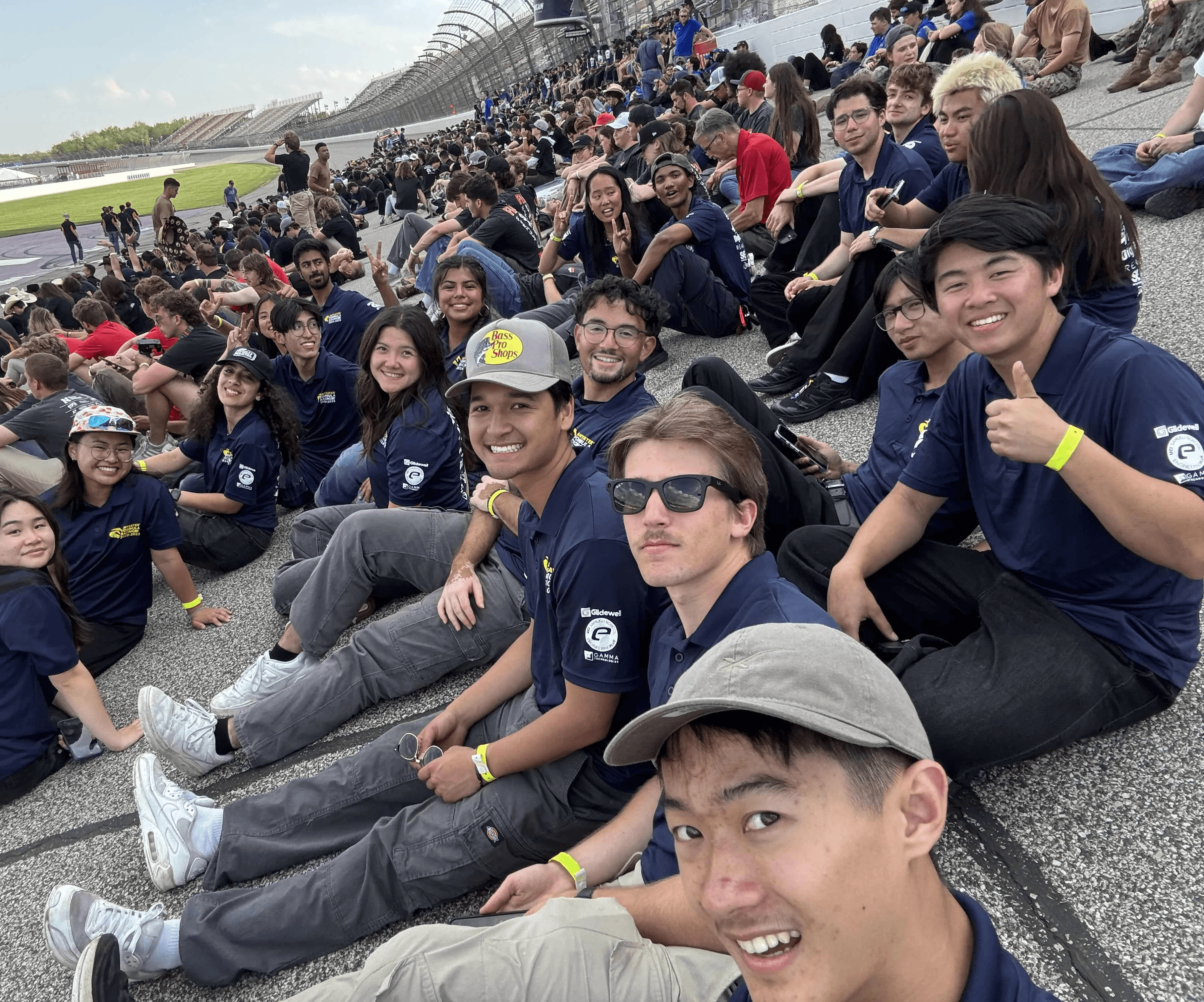
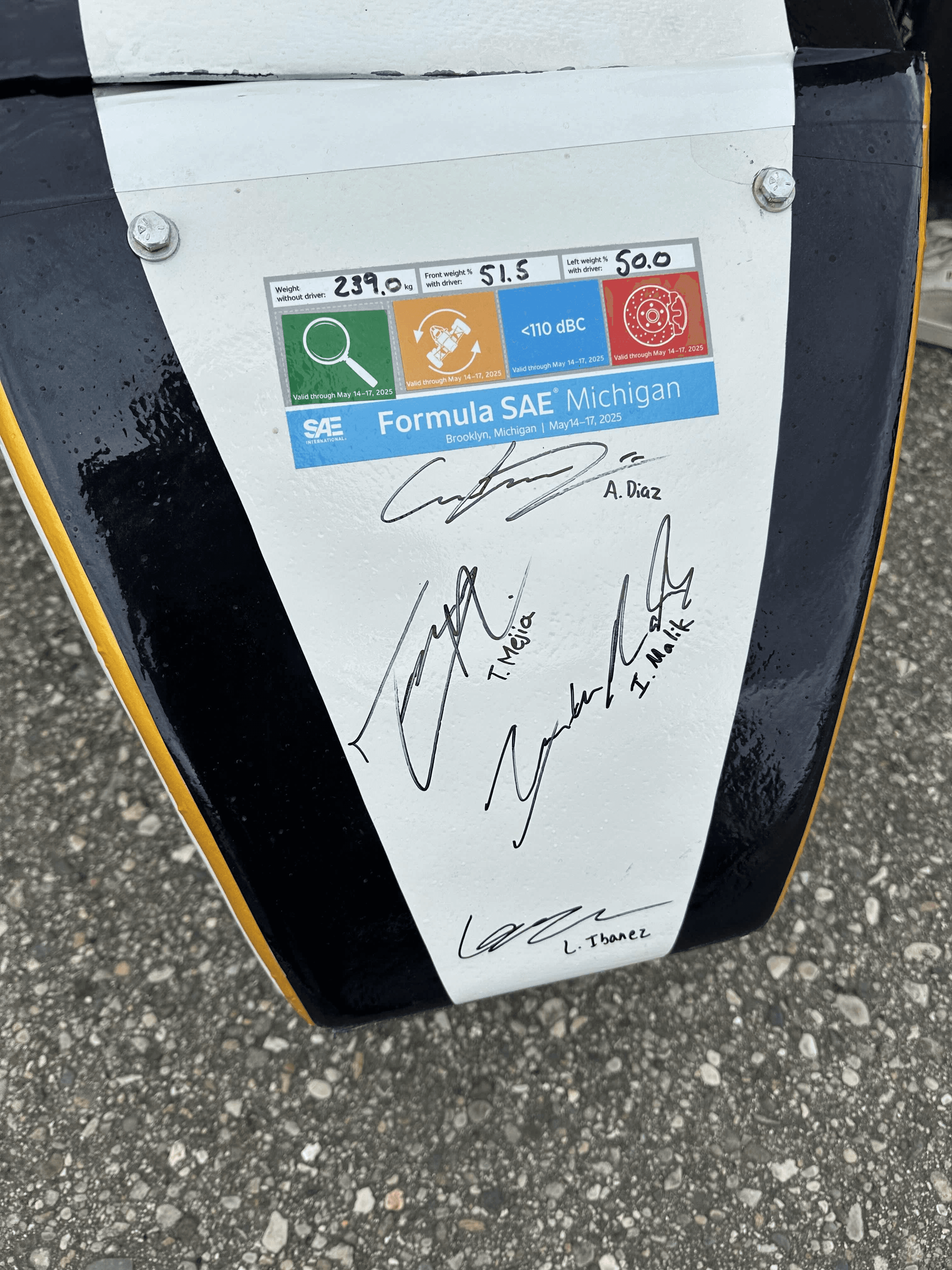
Despite the setbacks, our team left Michigan with a profound sense of victory. We were the first UCI FSAE car to pass technical inspection since 2019, breaking a multi-year streak and setting a new standard for the team. Furthermore, the majority of our team leads and members now have firsthand competition experience, providing us with a massive repository of knowledge on how to prepare for future events. The opportunity to network with and learn from other FSAE teams was invaluable. I am proud of what we accomplished and am already applying the lessons learned from "Gastly" to make our 2026 car, "Banshee," a far more formidable competitor.